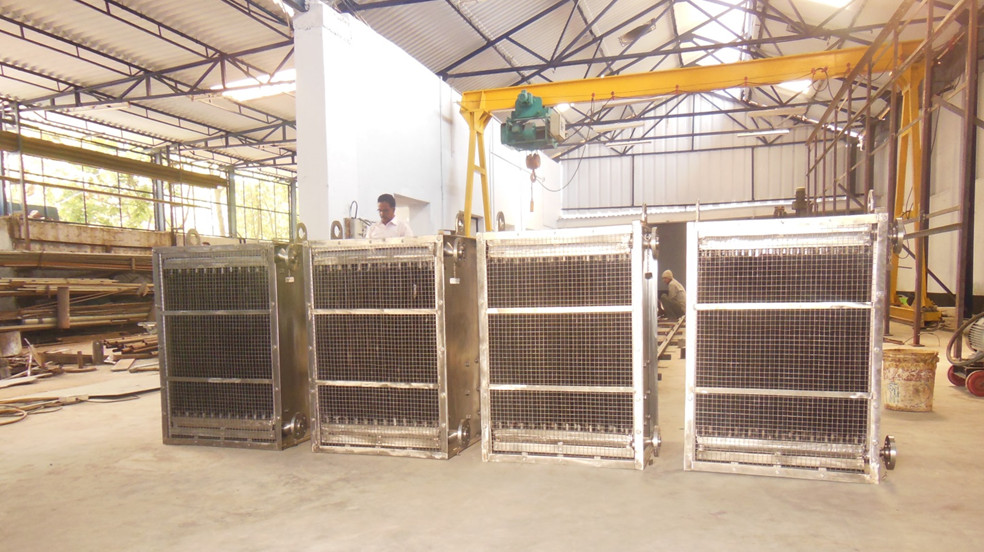
Oil Cooler
Effective thermal management is essential in modern industries to ensure operational efficiency, reduce energy consumption, and maintain system longevity. One critical component for achieving this is the oil cooler, a key heat exchanger used to cool hot oil and fluids in various applications. Whether in automotive, power generation, chemical processing, or heavy machinery, oil coolers prevent overheating, protect critical components, and improve system performance. These coolers are energy-efficient, cost-effective, and help extend the lifespan of machinery. As one of the top oil cooler manufacturers in India and reliable suppliers, we provide high-quality, tailored solutions for diverse industrial needs. This guide delves into the types, benefits, applications, and maintenance of oil coolers across industrial sectors.
One of the most reliable solutions for managing heat is the use of oil coolers. These devices play an essential role in industries where high temperatures can damage components, leading to costly downtime and repairs. This guide explores the role of oil coolers, their types, benefits, design considerations, applications, and best practices for maintenance, all while helping you understand how these coolers enhance system efficiency, reliability, and sustainability.
At United Cooling Systems Pvt. Ltd.we provide industry-leading oil coolers designed for various industrial applications, ensuring top-notch durability, efficiency, and longevity for your cooling systems. contact us today to discuss your requirements and find the ideal cooling solution for your operations.
What Are Oil Coolers?
An oil cooler is a heat exchanger that is intended to lower the temperature of heated oil as it flows through mechanical systems. These devices use either air, water, or another cooling medium to absorb the heat from the oil, preventing it from reaching temperatures that could compromise system performance. Oil coolers are especially useful in applications where overheating can lead to equipment damage, loss of efficiency, or even complete failure of critical machinery components.
Oil coolers are typically used to cool hydraulic oil, engine oil, gear oil, or other industrial fluids. They work by using a heat exchange process to transfer heat from the fluid to the surrounding medium (usually air or water). These coolers are essential components in a wide range of industrial applications, from automotive engines to large-scale manufacturing and power generation plants.
Explore our full range of
high-performance heat exchangers, including
fin fan cooler and
air fin coolers.
Key Components of Oil Coolers
It is crucial to analyze the fundamental components of oil coolers in order to comprehend their operation:
- Heat Exchanger: This is the primary part of the oil cooler. The heat exchanger transfers heat from the hot fluid (oil) to the cooling medium, typically air or water. The heat exchanger's ability to reduce the fluid temperature will be enhanced by its efficiency.
- Finned Tubes: Finned tubes increase the surface area through which heat can be transferred. The fins on the tubes help dissipate the heat into the surrounding environment, improving the cooler’s overall efficiency. The optimization of thermal exchange is significantly influenced by the design and material of the fins.
- Cooling Fans: Fans are often incorporated in air-cooled oil coolers to enhance the airflow over the finned tubes. These fans help increase the rate of heat transfer by facilitating better air circulation across the fins.
- Enclosure: The enclosure surrounds the entire cooler, protecting its internal components from external damage, corrosion, and debris. The enclosure is typically constructed from corrosion-resistant materials to withstand harsh operating conditions.
- Fluid Flow Channels: The fluid flow channels are the pathways that allow oil to flow through the cooler. They are designed to maximize the exposure of the oil to the cooling surface for effective heat exchange.
Benefits of Using Oil Coolers
Enhanced System Performance and Longevity
One of the primary benefits of using oil coolers is the ability to maintain the temperature of the oil within an optimal range. Overheated oil can significantly reduce the performance of hydraulic systems, engines, and other mechanical systems. By preventing overheating, oil coolers ensure that systems operate smoothly, minimizing the risk of failure, breakdowns, or performance degradation. As a result, oil coolers contribute to the longevity of machines, helping to reduce maintenance costs and downtime.
Energy Efficiency
Oil coolers, especially air-cooled oil coolers, help enhance energy efficiency. By cooling the oil using ambient air, these coolers eliminate the need for energy-intensive water-based cooling systems or expensive refrigerants. This results in decreased operational costs and decreased energy consumption. In industrial systems where cooling demands are high, oil coolers can make a significant difference in terms of energy savings and overall system efficiency.
Cost-Effective Maintenance
Unlike water-based cooling systems, oil coolers require less maintenance and incur fewer operational costs. Water cooling systems are prone to issues such as scaling, corrosion, and biofouling, which can increase maintenance costs over time. In contrast, oil coolers do not suffer from these issues because they do not rely on water. Additionally, the absence of water reduces the need for complex water treatment systems, making oil coolers more cost-effective in terms of long-term maintenance.
Space Efficiency
The compact design of oil refrigerators is another significant advantage. These coolers are particularly well-suited for environments with limited space. Unlike traditional cooling systems, which require large cooling towers or reservoirs, oil coolers can be installed in confined areas. Their efficient use of space makes them an ideal solution for industrial facilities where space is a premium.
Environmental Sustainability
As industries move towards more sustainable practices, the oil cooler is an environmentally friendly alternative to water-based cooling systems. Since oil coolers primarily rely on ambient air for cooling, they reduce the dependence on water resources, making them especially valuable in water-scarce regions. In addition, oil coolers contribute to lower energy consumption, further minimizing their environmental impact.
How Do Oil Coolers Work?
Oil coolers operate based on the principles of convection and conduction.
Heat Transfer Process
- Conduction: The hot oil flowing inside the tubes of the cooler transfers heat to the metal surfaces of the tubes, which are usually made of materials like copper, aluminum, or stainless steel. These metals possess a high thermal conductivity, which enables them to effectively transfer heat from the fluid to the colder surface.
- Convection: The heat is conveyed to the metal tubes, and it is subsequently dissipated into the surrounding air or water. In air-cooled oil coolers, fans increase the airflow over the surface of the fins, allowing the heat to be carried away by the moving air. In water-cooled oil coolers, the heat is transferred to the water that circulates through the cooler, which subsequently dissipates the heat.
The heat transfer process's efficacy is contingent upon numerous factors:
- Surface Area: The larger the surface area of the heat exchanger (including the fins and tubes), the more efficient the cooler will be at dissipating heat.
- Airflow Rate: A higher airflow rate increases the heat dissipation process in air-cooled oil coolers.
- Oil Temperature: The hotter the oil entering the cooler, the more heat needs to be removed, and the more efficient the cooler must be at absorbing and transferring the heat.
Types of Oil Coolers
There are several types of oil coolers that are designed to meet the needs of different applications. The most common types include
Air-Cooled Oil Coolers
Application: Air-cooled oil coolers are commonly used in automotive, marine, and small-scale industrial applications where space is limited or water is unavailable.
Advantages: These refrigerators are compact, energy-efficient, and necessitate minimal maintenance. They rely on ambient air to cool the oil, making them energy-efficient and cost-effective. They are a specific form of air-cooled heat exchangers widely used across industries.
Water-Cooled Oil Coolers
Application: Water-cooled oil coolers are often used in large-scale industrial applications, such as power plants, chemical processing, and heavy machinery.
Advantages: These coolers are more efficient than air-cooled oil coolers and can achieve lower temperatures. However, they require a constant supply of water, which can be an issue in areas with limited water resources.
Shell and Tube Oil Coolers
Application: Commonly used in large power generation and heavy industrial applications.
Advantages: Shell and tube coolers offer high heat transfer rates and are highly durable, making them ideal for use in harsh environments. This design follows the conventional shell and tube heat exchanger principle used in heavy-duty applications.
Plate Oil Coolers
Application: Plate oil coolers are typically used in smaller, compact systems, such as those in automotive and hydraulic machinery.
Advantages: These coolers are compact and lightweight, offering high heat transfer efficiency. They are ideal for systems with space limitations.
Applications of Oil Coolers Across Industries
Automotive Industry
In the automotive sector, oil coolers are used to maintain engine oil temperatures, ensuring that the engine operates at an optimal temperature. Overheated oil can cause the engine to wear prematurely, leading to decreased performance and costly repairs.
Power Generation
Oil coolers are utilized in power facilities to cool the lubricating oils that are used in turbines and compressors. Keeping the oil temperature stable ensures consistent performance, reduces the risk of overheating, and prevents wear and tear on critical components.
Hydraulic Systems
Hydraulic systems employed in manufacturing, mining, and construction necessitate oil refrigerators. These coolers guarantee the correct operation of hydraulic pumps and motors by maintaining the temperature of hydraulic fluids.
Chemical and Petrochemical Industries
In chemical and petrochemical plants, oil coolers are used to regulate the temperature of chemicals and solvents. This is essential to maintain safe processing conditions and ensure that reactions proceed at the desired rate.
Marine Applications
Marine vessels, including ships and submarines, rely on oil coolers to keep engine oils and other fluids at safe temperatures, even under extreme conditions. In challenging environments, these radiators guarantee the consistent operation of engine components.
Design and Construction of Oil Coolers
The design of oil coolers requires careful consideration of several factors, including the operating environment, cooling capacity, available space, and material durability.
Material Selection
- Stainless Steel: The most commonly used material for high-performance oil coolers. Stainless steel offers excellent corrosion resistance, making it ideal for harsh environments where exposure to high temperatures or corrosive chemicals is a concern.
- Copper and Aluminum: These metals are also used in oil cooler construction because of their high thermal conductivity, allowing for efficient heat transfer.
Fan and Airflow Design
In air-cooled oil coolers, the design of the fan is critical to achieving optimal airflow. The number of blades, blade pitch, fan size, and motor power must all be carefully optimized to ensure the efficient cooling of the oil.
Customization Options
At United Cooling Systems Pvt. Ltd., we provide custom-designed oil coolers tailored to meet the specific needs of your industrial processes. Our team collaborates with you to develop a solution that is ideal for your needs, including materials and refrigeration capacity.
Maintenance of Oil Coolers
To maximize the efficiency and lifespan of your oil cooler, regular maintenance is essential. Here are a few tips:
- Regular Inspections: Examine fans, fins, and tubes for indications of debris accumulation, corrosion, and wear.
- Cleaning: Periodically clean the fins and tubes to remove any accumulated dirt or debris that may reduce cooling efficiency.
- Monitor Fluid Quality: Ensure that the oil passing through the cooler is free of contaminants to prevent blockages and fouling.
- Leak Detection: Check seals and joints for leaks that could reduce the cooler's performance.
Conclusion
oil cooler are crucial components in ensuring the smooth operation of industrial systems that rely on fluid cooling. Their ability to enhance energy efficiency, reduce maintenance costs, and extend the lifespan of equipment makes them invaluable across industries like automotive, power generation, manufacturing, and marine applications. By understanding the principles of oil cooler operation, design considerations, and maintenance best practices, industries can optimize their cooling systems for maximum performance.
At United Cooling Systems Pvt. Ltd., We provide a variety of oil refrigerators that are energy-efficient, durable, and can be customized to suit your specific requirements. Please Contact us today to receive expert guidance and personalized solutions.
Frequently Asked Questions (FAQs) about Oil Coolers
1. What is an oil cooler, and how does it work?
An oil cooler is a heat exchanger that is employed to chill hydraulic or engine oil.It transfers heat from hot oil to air or a cooling fluid, maintaining optimal operating temperatures and preventing overheating.
2.Why is an oil cooler important in industrial systems?
Oil coolers help maintain viscosity, reduce thermal breakdown, extend equipment life, and ensure consistent performance in high-temperature environments.
3.What are the types of oil coolers available?
Common types include air-cooled oil coolers, water-cooled oil coolers, and plate-type or finned-tube oil coolers—each suited for different applications based on system size and cooling needs.
4.In which industries are oil coolers commonly used?
Oil coolers are essential in automotive, power generation, marine, heavy machinery, and industrial hydraulic systems where efficient heat dissipation is critical.
5. How do I choose the right oil cooler for my system?
Key factors include oil flow rate, temperature range, cooling medium (air or water), space availability, pressure requirements, and environmental conditions.
6. What maintenance is required for oil coolers?
Routine cleaning, checking for leaks, inspecting fins or tubes, and monitoring fluid quality help ensure long-term efficiency and performance.
7. Can an oil cooler reduce fuel consumption?
Yes, by maintaining optimal oil temperatures, oil coolers reduce energy loss from heat buildup and improve engine or hydraulic efficiency, which can indirectly lower fuel or power consumption.
8. What are signs of a failing oil cooler?
Common symptoms include overheating, oil contamination, reduced system performance, or visible leaks near the cooler unit.